


Hip Flexor Stretches For Runners
This targeted stretching guide addresses chronically tight hip flexors, common problem for runners combining repetitive hip flexion during running with extended sitting throughout day creating restricted hip extension affecting running mechanics and causing lower back pain. The article explains hip flexor anatomy including iliopsoas group and rectus femoris, their role in lifting leg during running, how tightness limits hip extension during push-off phase, and connection to lower back pain through anterior pelvic tilt. Effective stretches include low lunge variations holding deep hip flexor stretch, couch stretch intensely targeting psoas, pigeon pose addressing hip flexors and external rotators, standing quad pulls incorporating hip flexor component, and lying hip flexor stretch using resistance band or wall. Proper execution emphasizes posterior pelvic tilt engaging glutes to enhance stretch, holding stretches minimum thirty seconds allowing tissue release, breathing deeply throughout, and stretching consistently post-run when muscles are warm. Benefits for runners include improved hip extension allowing full stride length, reduced anterior pelvic tilt protecting lower back, enhanced running economy from optimal hip mobility, decreased compensatory tension in hamstrings and lower back, and prevention of hip flexor strains. The guide addresses that hip flexor flexibility requires consistent attention as modern lifestyle constantly shortens these muscles, that tight hip flexors often indicate weak glutes requiring strengthening alongside stretching, and that addressing hip flexor tightness often resolves mysterious lower back pain plaguing many runners.

Total Body Pre-Run Warm Up
This comprehensive warm-up protocol provides systematic total-body preparation activating all major muscle groups and movement patterns before running, reducing injury risk while optimizing performance through proper physical and mental preparation. The complete routine spans ten to fifteen minutes including neck and shoulder mobilization releasing upper body tension, arm circles and swings preparing shoulders for running motion, spinal movements addressing all planes including flexion extension rotation, hip circles and leg swings mobilizing hip joint, glute activation exercises engaging posterior chain, dynamic lunges and squats preparing lower body, lateral movements activating adductors and abductors, calf raises and ankle circles preparing feet and ankles, high knees and butt kicks elevating heart rate, and gradual acceleration building from walk to easy jog. Proper sequencing progresses from gentle to vigorous, from static positions to dynamic movement, from isolated joints to integrated patterns, and from lower intensity to running pace. Benefits include elevated core temperature improving muscle function, activated neuromuscular pathways enhancing coordination, mobilized joints allowing full range of motion, prepared cardiovascular system for intensity demands, and mental focus establishing mind-body connection. The guide emphasizes that comprehensive warm-up is especially critical before hard workouts or races, that shortcuts skipping warm-up increase injury risk substantially, that consistent pre-run routine becomes psychological trigger preparing mind for running, and that time invested in warm-up prevents injuries costing weeks or months of lost training far exceeding minutes spent preparing properly.

Yoga Pre-Run Warm Up: The Perfect Warm Up Before Hard & Stressful Quality sessions

How Running Helps Mental Health
This evidence-based article explores running profound impact on mental health, examining scientific mechanisms and lived experiences showing why running effectively treats anxiety, depression, and stress while building resilience and self-confidence. Physiological benefits include endorphin and endocannabinoid release creating natural mood elevation, cortisol regulation reducing stress hormones, improved sleep quality enhancing emotional regulation, increased BDNF production supporting brain health, and cardiovascular benefits improving overall wellbeing. Psychological benefits cover sense of accomplishment from completing runs, mindfulness through movement and being present, social connection through running communities, routine and structure providing stability, and progressive confidence from achieving incremental goals. The guide addresses that running is powerful mental health tool but not cure-all or replacement for professional treatment when needed, that consistency matters more than intensity for mental health benefits, that some people experience negative mental health impact from obsessive running requiring balance, and that running combined with therapy and medication creates comprehensive approach. Implementation recommendations include starting with achievable goals preventing overwhelming discouragement, finding enjoyment rather than forcing suffering, building community support, tracking mood improvements validating impact, and being patient as mental health benefits develop over weeks. BALG shares Kelly personal experience with running transforming anxiety and building confidence, community member stories of running supporting mental health recovery, and emphasis that running provides accessible low-cost mental health support while reducing stigma around using movement as medicine for emotional wellbeing.

Sports Bra Review For Runners with Big Boobs: No-Bounce Camisole Elite Sports Bra

Why Run Slow To Run Fast?

What Counts As A Run?

Is Running Worth It?

When Running How Should I Breathe?

What Running Shoes Should I Buy?

How To Run Faster?

Sports Bra Review For Runners with Big Boobs: Anita Extreme Control Sports Bra
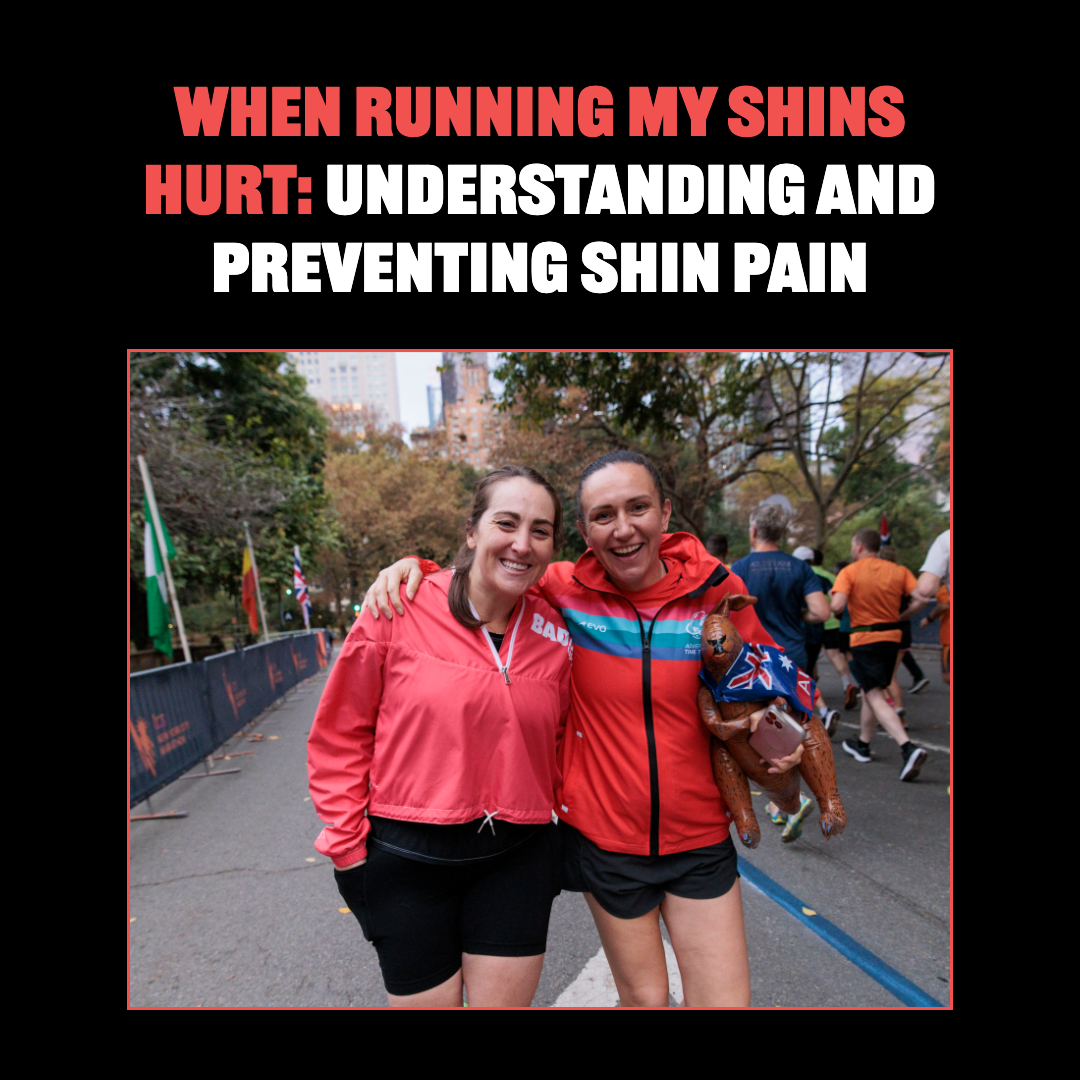
When Running My Shins Hurt: Understanding and Preventing Shin Pain

When Running What Is A Normal Heartrate?

Sports Bra Review For Runners with Big Boobs: Nike Swoosh Women’s High-Support Non-Padded Adjustable Sports Bra

Why Running Is Good For You

Sports Bra Review For Runners with Big Boobs: Nike Indy High Support

Sports Bra Review For Runners with Big Boobs: Duluth Trading Company Women's Adjustabust High Impact Zip-Front Bra

Sports Bra Review For Runners with Big Boobs: Duluth Trading Company Women's Adjustabust High Impact Bra
