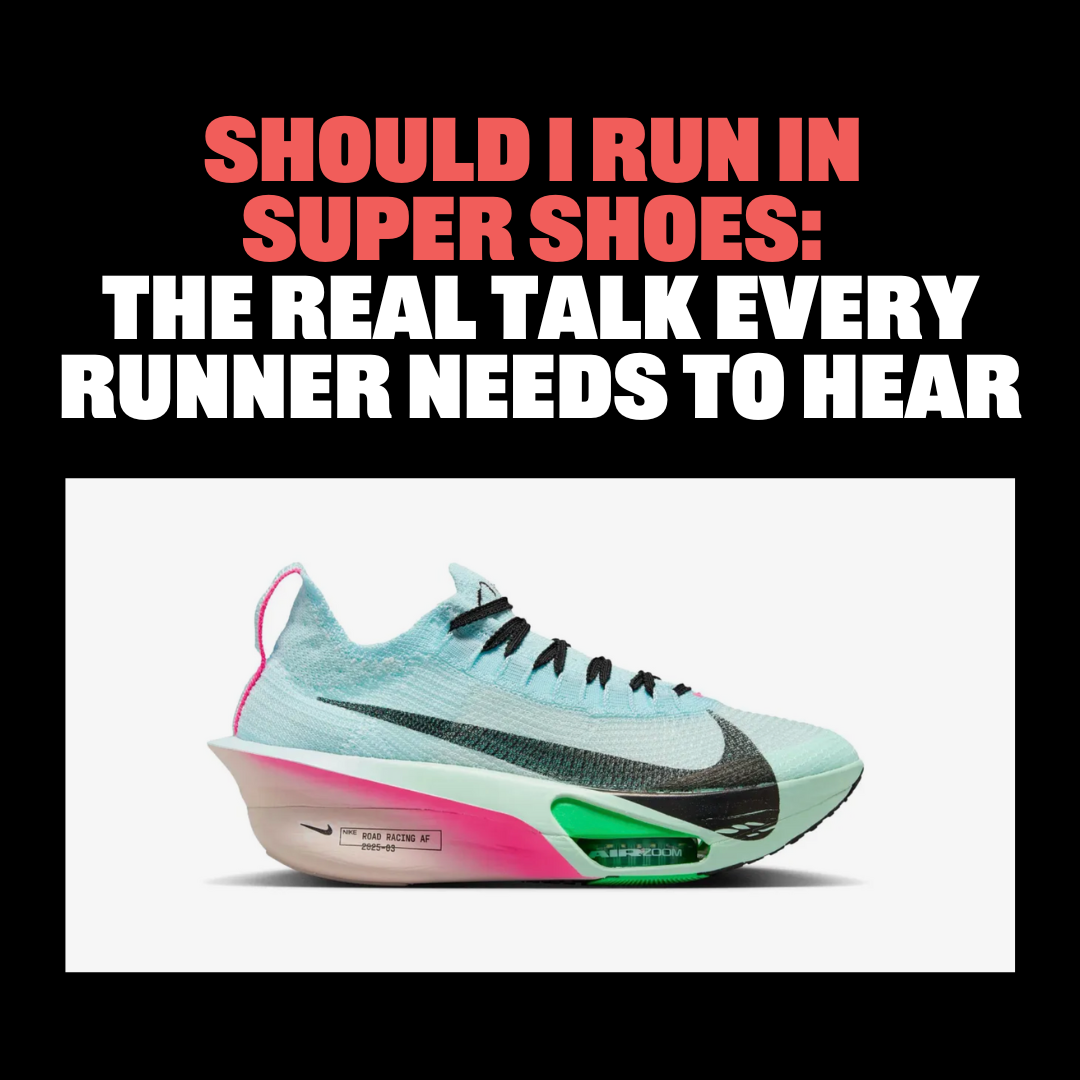
Should I Run In Super Shoes: The Real Talk Every Runner Needs to Hear
This honest assessment examines super shoes or carbon-plated racing shoes, cutting through marketing hype to determine when premium racing shoes genuinely enhance performance versus when they represent expensive unnecessary purchase for recreational runners. The article explains super shoe technology including carbon fiber plates providing propulsive energy return, thick foam stacks maximizing cushioning and spring, aggressive rocker geometry promoting forward roll, and premium materials increasing cost to two hundred fifty to three hundred dollars per pair. Real benefits documented include measurably improved running economy at faster paces, energy savings over marathon distance, psychological confidence boost from wearing elite-level gear, and genuine time improvements for competitive runners. Limitations and drawbacks address that benefits decrease significantly at slower paces under eight to nine minute miles, that shoes require adaptation period due to aggressive geometry, that extremely high cost questions value for recreational runners, that durability is limited compared to traditional trainers, and that relying on shoes rather than training creates false confidence. The guide provides decision framework considering whether you race competitively making time improvements valuable, if budget allows two hundred fifty dollar shoes used sparingly, whether you run fast enough to benefit from plate technology, and if you have established training base maximizing shoe potential. Honest recommendation suggests that most recreational runners receive minimal benefit from super shoes versus quality neutral trainers, that new runners should invest in proper daily trainers before considering racing shoes, that super shoes work best for specific race day use rather than daily training, and that improving through smart training matters infinitely more than marginal gains from expensive shoes. BALG emphasizes that super shoes are not magic solution making slow runners fast, that they represent luxury rather than necessity, and that runners should prioritize consistency and proper training over equipment hoping for shortcuts to improvement.
Stability Running Shoes: When Your Feet Need a Little Extra Love