

How Running Changes Your Body
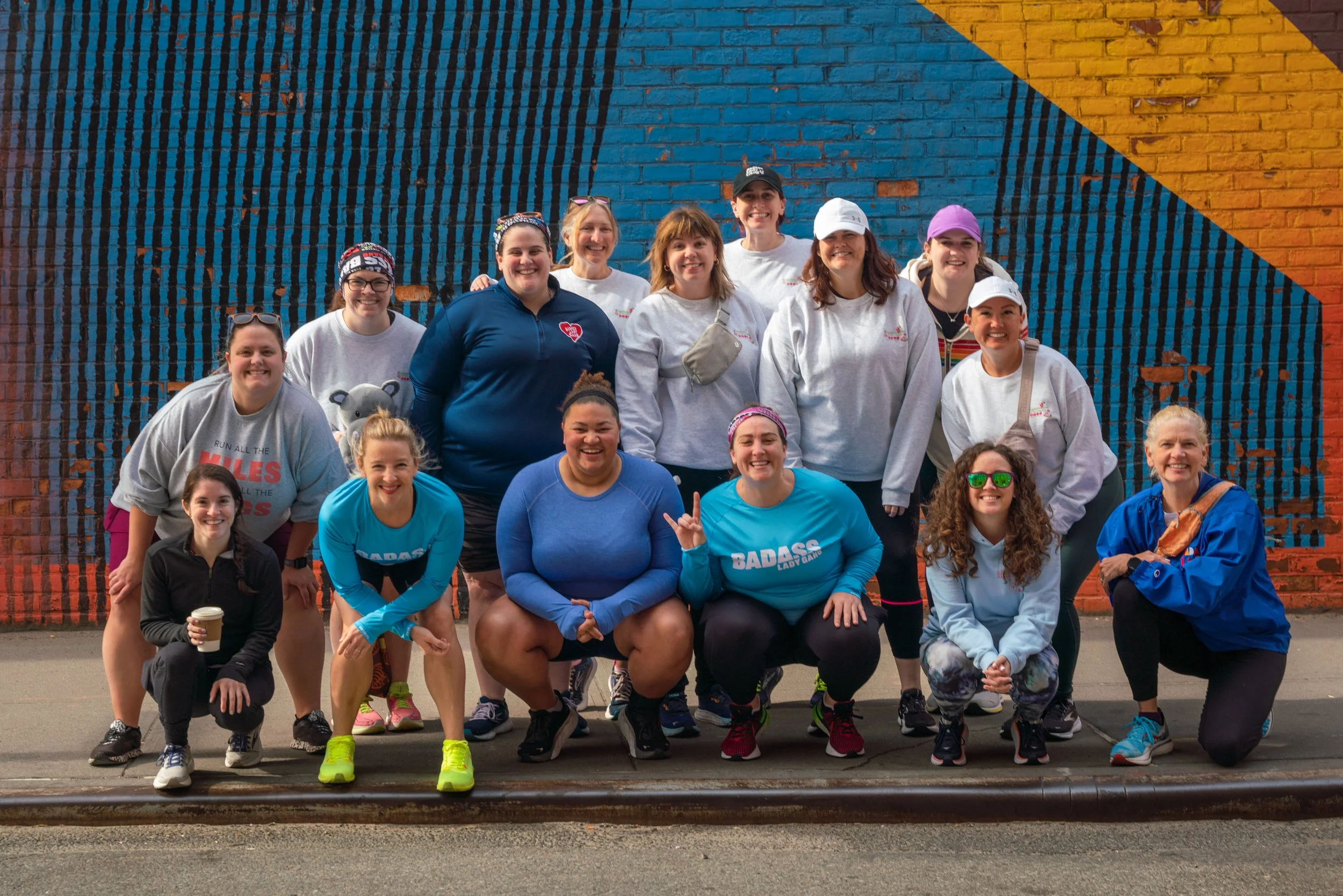
If you're wondering how running changes your body, you're probably imagining a specific "runner's body"—lean, toned, small.
Let's shatter that myth right now.
Running changes every body differently. And most of the changes have absolutely nothing to do with how you look.
The Truth About How Running Changes Your Body
Here's what nobody tells you: The most profound changes running creates in your body are invisible.
Yes, you might notice physical changes you can see in the mirror. But the real transformations are happening at a cellular level, in your cardiovascular system, in your bones, in your brain chemistry, and in how your body processes energy and stress.
And here's the most important part: These changes happen regardless of your size, weight, or what you look like.
Two runners can look completely different and experience the exact same health benefits. Your body doesn't need to shrink to become stronger, healthier, or more capable.
Let's explore the actual science of how running changes your body—from the inside out.
Cardiovascular Changes: Your Heart Gets Stronger
One of the first and most significant changes running creates happens in your cardiovascular system.
What Happens to Your Heart
Your heart becomes more efficient. As you run consistently, your heart muscle strengthens. A stronger heart pumps more blood with each beat, which means it doesn't have to work as hard during both exercise and rest. This is why runners often have lower resting heart rates—their hearts are doing the same job with less effort.
Your blood vessels improve. Running stimulates the growth of new capillaries (tiny blood vessels) in your muscles. This expanded network delivers oxygen and nutrients more efficiently to your working muscles and removes waste products more effectively.
Your blood pressure often decreases. Regular running can lower both systolic and diastolic blood pressure, reducing strain on your cardiovascular system.
Your cholesterol profile may improve. Running can increase HDL (the "good" cholesterol) and decrease LDL (the "bad" cholesterol) and triglycerides.
What This Feels Like
You'll notice:
Climbing stairs becomes easier
You're less winded during daily activities
Your recovery between running intervals improves
You can hold conversations more easily while running at an easy pace
These cardiovascular adaptations happen whether you lose weight, gain weight, or stay exactly the same size.
Musculoskeletal Changes: Building Strength and Resilience
Running is a weight-bearing exercise, which means your bones and muscles are constantly adapting to the stress you place on them.
Your Muscles Transform
Your leg muscles get stronger. Your quadriceps, hamstrings, glutes, calves, and hip flexors all adapt to the demands of running. You're building both endurance (the ability to keep going) and strength (the power to push off the ground efficiently).
Your muscle fibers change composition. Running primarily develops slow-twitch muscle fibers (used for endurance), but speed work also recruits fast-twitch fibers. Your body literally changes which types of muscle fibers it emphasizes based on your training.
Your core stabilizes. Running requires constant core engagement to maintain posture and efficient form. Over time, your deep core muscles strengthen, even if you never see a "six-pack."
Your Bones Get Denser
Running builds bone density. The impact of running signals your bones to become stronger and denser. This is especially important for women, who are at higher risk for osteoporosis as they age.
Your joints adapt. Contrary to popular myth, running doesn't automatically destroy your knees. When you build gradually and recover adequately, the stress on your joints actually stimulates positive adaptations that make them more resilient.
What This Feels Like
You might notice:
Your legs feel firmer or more defined
You're more stable on uneven terrain
Your posture improves
You feel stronger during daily activities like carrying groceries or picking up kids
Important note: These changes happen regardless of whether you "look" more muscular. Many runners are incredibly strong without visible muscle definition.
Metabolic Changes: How Your Body Processes Energy
Running fundamentally changes how your body creates and uses energy.
Your Mitochondria Multiply
Mitochondria are your cellular powerhouses. They convert nutrients into usable energy (ATP). Running stimulates your body to create more mitochondria in your muscle cells—a process called mitochondrial biogenesis.
More mitochondria = more energy capacity. This is why running gets easier over time. You're literally increasing your body's ability to produce energy.
Your Body Becomes More Metabolically Flexible
You get better at using fat for fuel. At easy running intensities, your body primarily burns fat for energy. As you build your aerobic base, you become more efficient at accessing fat stores during exercise.
Your insulin sensitivity improves. Running helps your cells respond more effectively to insulin, which improves blood sugar regulation. This has profound implications for metabolic health, regardless of body size.
What This Feels Like
You'll experience:
More sustained energy throughout the day
Less dramatic blood sugar crashes
The ability to run longer before feeling fatigued
Better energy during runs, even before eating
Hormonal Changes: The Chemical Transformation
Running creates significant shifts in your body's hormonal landscape.
Stress Hormones Regulate
Running helps regulate cortisol. While an intense run temporarily spikes cortisol (your stress hormone), regular running actually helps your body become more efficient at managing stress and returning cortisol to baseline levels.
Your body gets better at handling stress. This isn't just mental—it's physiological. Your body literally becomes more resilient to stressors of all kinds.
Feel-Good Hormones Increase
Endorphins and endocannabinoids flood your system. Yes, runner's high is real. Running triggers the release of these natural mood-boosters, which is why so many runners describe feeling euphoric during or after runs.
Serotonin and dopamine production improves. These neurotransmitters regulate mood, motivation, and feelings of reward. Running naturally supports their production and regulation.
For Female Runners: Important Considerations
Running impacts your menstrual cycle. This can be positive or negative depending on your fueling and training load. When you fuel adequately and train appropriately, running can help regulate cycles and reduce period symptoms. However, under-fueling while training (Low Energy Availability) can disrupt your cycle—a serious warning sign.
Listen to your hormones. Different phases of your cycle affect how your body responds to training. Many runners find they feel stronger at certain times of the month and need more recovery at others. This is normal and important to honor.
What This Feels Like
You might notice:
Improved mood and reduced anxiety
Better stress management
More stable energy throughout your cycle
That magical "runner's high" feeling
Enhanced mental clarity and focus
Neurological Changes: Your Brain on Running
Some of the most exciting research on running focuses on how it changes your brain.
Your Brain Literally Grows
Running increases brain volume. Specifically, it enlarges the hippocampus (involved in memory and learning) and strengthens connectivity between different brain regions.
Neuroplasticity improves. Your brain becomes better at forming new neural pathways and adapting to challenges—not just in running, but in all areas of life.
Brain-derived neurotrophic factor (BDNF) increases. Think of BDNF as fertilizer for your brain. Running boosts its production, supporting neuron growth and cognitive function.
Cognitive Function Improves
Your memory gets sharper. Studies consistently show that runners perform better on memory tests than sedentary individuals.
Executive function strengthens. This includes skills like planning, problem-solving, and impulse control—all supported by regular running.
Creativity and problem-solving improve. Many runners report their best ideas come during runs. This isn't coincidental—running genuinely enhances creative thinking.
What This Feels Like
You'll experience:
Better focus and concentration
Improved memory
Enhanced problem-solving abilities
That "aha!" moment clarity during runs
Reduced brain fog
Respiratory Changes: Breathing Better
Your lungs and respiratory system adapt significantly to running.
Your Breathing Becomes More Efficient
Your respiratory muscles strengthen. Your diaphragm and intercostal muscles (between your ribs) become more powerful, allowing you to breathe more deeply and efficiently.
Your lung capacity may increase slightly. While you can't dramatically expand your lung size, you can improve how effectively you use the capacity you have.
Oxygen delivery improves. Combined with cardiovascular changes, your body becomes remarkably more efficient at getting oxygen from your lungs to your working muscles.
What This Feels Like
You'll notice:
You can breathe more easily during runs
Daily activities like talking while walking don't leave you breathless
You recover faster between hard efforts
You can maintain easier conversational breathing during easy runs
Sleep Quality Changes: Rest and Recovery Improve
Running has a profound effect on your sleep patterns.
You Sleep More Deeply
Running promotes deeper, more restorative sleep. Particularly slow-wave sleep (deep sleep) and REM sleep improve with regular running.
You fall asleep faster. Physical fatigue from running helps initiate the sleep cycle more quickly.
Sleep quality matters more than you think. Better sleep supports all the other adaptations we've discussed—muscle recovery, hormonal regulation, cognitive function, and metabolic health.
What This Feels Like
You'll experience:
Falling asleep more easily
Fewer middle-of-the-night wake-ups
Feeling more rested in the morning
Better recovery between runs
Immune System Changes: Building Resilience
Running's impact on your immune system is complex and depends heavily on training load and recovery.
Moderate Running Boosts Immunity
Regular, moderate running strengthens immune function. It improves circulation of immune cells, reduces inflammation, and supports overall immune health.
Your body fights off infections more effectively. Runners who train moderately often experience fewer upper respiratory infections than sedentary individuals.
But There's a Caveat
Overtraining suppresses immunity. If you're constantly running hard without adequate recovery, your immune system becomes compromised. This is your body's way of forcing rest.
Recovery is where the magic happens. All these adaptations occur during recovery, not during the run itself. Respect rest days.
What This Feels Like
You might notice:
Getting sick less frequently
Recovering from illnesses more quickly
Better overall vitality and energy
Warning signs (like frequent colds) when you're overtraining
Mental and Emotional Changes: The Invisible Transformation
Perhaps the most profound changes running creates are psychological.
Your Relationship with Your Body Shifts
You start to appreciate what your body can do. When you focus on performance and capability rather than appearance, your entire perspective shifts.
Body image often improves. Not because your body necessarily changes shape, but because you develop respect and gratitude for what it accomplishes.
You become more in tune with your body. Running teaches you to listen—to recognize fatigue, hunger, pain signals, and when you need rest.
Your Confidence Grows
You prove to yourself what you're capable of. Every run you complete, every goal you achieve, builds genuine confidence that extends beyond running.
You develop grit and mental resilience. Running teaches you to push through discomfort, to keep going when things are hard, and to trust your training.
Your Stress Management Improves
Running becomes your therapy. Many runners describe their runs as essential for mental health maintenance.
You develop healthy coping mechanisms. Instead of turning to destructive behaviors during stress, you lace up and run.
What This Feels Like
You'll experience:
Greater self-compassion
Improved self-esteem
Better emotional regulation
A sense of accomplishment and pride
Gratitude for your body
What About Visible Physical Changes?
Okay, let's address the elephant in the room. Yes, you might notice visible changes when you start running.
But here's what's important to understand:
Every Body Responds Differently
Some runners' bodies change visibly. Others don't. This depends on genetics, hormones, nutrition, training type, previous fitness level, and countless other factors.
Muscle weighs more than fat. Many runners are shocked to find they weigh the same or more after months of training, even as their clothes fit differently. This is because they've built muscle while potentially losing some fat—but the scale doesn't capture this.
Your body might not match the "runner stereotype." Elite marathoners come in all shapes and sizes. There is no single "runner's body."
Potential Visible Changes Include:
Muscle definition in legs, glutes, and core
Changes in how clothes fit (not always smaller—sometimes larger due to muscle)
Posture improvements
A more energetic "presence"
But Here's What Matters More:
How your body looks is the least interesting thing about how running changes you.
Can you run farther? Faster? With more confidence? Those are the transformations that matter.
The Timeline: When Do These Changes Happen?
Everyone wants to know: How long until I see results?
Week 1-2: The Immediate Changes
Increased alertness and mood improvement
Better sleep (if you're not overdoing it)
Initial cardiovascular adaptations begin
Mental clarity and stress relief after runs
Week 3-8: Building Your Foundation
Noticeable improvements in cardiovascular fitness
You can run farther or longer before fatigue
Recovery between runs improves
Mitochondrial adaptations accelerate
Confidence starts building
Month 3-6: The Sweet Spot
Significant cardiovascular improvements
Muscle strength and endurance increase markedly
Running feels easier at the same pace
You might notice visible muscle definition
Mental resilience is noticeably stronger
You've likely established running as a habit
6+ Months: Long-Term Adaptations
Bone density continues improving
Your body is highly efficient at the training you've been doing
Metabolic flexibility is well-developed
Running feels like second nature
The mental and emotional benefits are deeply ingrained
Important: These timelines assume consistent, progressive training with adequate recovery and nutrition. Under-fueling or overtraining will delay or prevent these adaptations.
The Changes That Matter Most
After all this science, here's what we want you to remember:
Running changes your body in profound ways that have nothing to do with your size.
You cannot see stronger bones, a more efficient heart, improved insulin sensitivity, better brain function, or enhanced mitochondrial density in the mirror. But these are the changes that improve your health and quality of life.
Your body doesn't need to shrink to become healthier. Health improvements happen at every size. You can gain cardiovascular fitness, build strength, improve metabolic health, and enhance mental well-being without losing a single pound.
The most important changes are how you feel. More energy. Better mood. Improved confidence. The ability to do things you couldn't do before. These matter infinitely more than how you look.
How to Support Your Body Through These Changes
If you want to experience all these incredible adaptations, you need to support your body properly.
Fuel Adequately
You cannot out-train a calorie deficit. If you're not eating enough to support your training, your body can't make the adaptations we've discussed. You'll end up injured, exhausted, and potentially in Low Energy Availability—which is dangerous.
Eat to fuel your runs, not to cancel them out. Running is not punishment for eating or a way to "earn" food. It's an activity that requires fuel.
Prioritize Recovery
Adaptations happen during rest, not during the run. Recovery days are when your body rebuilds stronger.
Sleep is non-negotiable. Aim for 7-9 hours per night. This is when the magic happens.
Listen to pain signals. Discomfort is normal. Pain is a warning. Learn the difference.
Train Progressively
Build gradually. Follow the 10% rule: don't increase your weekly mileage by more than 10% each week.
Include variety. Easy runs, speed work, long runs, and strength training all create different adaptations. A well-rounded program creates a well-adapted body.
Follow the 80/20 rule. About 80% of your running should be at an easy, conversational pace. Only 20% should be hard efforts.
Running Changes Your Body—But You're Already Enough
Here's the truth we want you to internalize:
Running will change your body. It will make you stronger, healthier, more resilient, and more capable.
But these changes don't make you more valuable or worthy. You're already enough, exactly as you are.
Running isn't about fixing a broken body. It's about discovering what an amazing body you already have.
So chase the changes that matter: strength, endurance, confidence, resilience, community, and the pure joy of discovering what you're capable of.
Your body is incredible. Running will help you discover just how incredible.
Ready to experience these transformations for yourself? Join our free Couch to 5K program and start your running journey with education, community, and zero diet culture bullshit.
Want to learn the science behind your training while you build your base? Check out the Build Your Base Training Experience—12 weeks of free, educational training that respects your body and builds lasting confidence.
You've got this. Your body's got this. Let's run.
